Cactus or Orchid?
Friendships are like plants - the secret is knowing which ones belong in your garden

I celebrated a big birthday recently (21 again, obviously), and as I looked out at a room packed with friends I’ve known and loved for decades, I felt ridiculously lucky.
Many had flown over to Spain for less than 48 hours just to be there. And as I took in their wonderfully familiar, smiling, slightly sunburnt faces, I realised something important…
They all had one thing in common.
They were Cactus Friends. 🌵
Now, before you picture a room full of spiky individuals refusing hugs and barking, “Hands off! That jug of sangria is mine,” let me explain.
After years of being mildly obsessed with gardening, I’ve observed that friends often fall into two groups: Orchids and Cacti.
Orchid Plants are stunning, but require constant attention, precise conditions and possibly a carefully curated Spotify playlist. Miss one instruction and they collapse in a heap.
I once moved an Orchid Plant two inches to the left. It died immediately. Just to prove a point.

Cactus Plants, meanwhile, are the strong, silent types. Give them an occasional splash of water and they simply get on with things.
Sturdy. Steady. Gloriously low maintenance.
Much like Cactus Friends.
Independent souls who don’t feel a need to compete or play games. Disappear for a while and reappear with, “Sorry, I’ve been swamped,” and they’ll simply say, “No worries. Wine?”
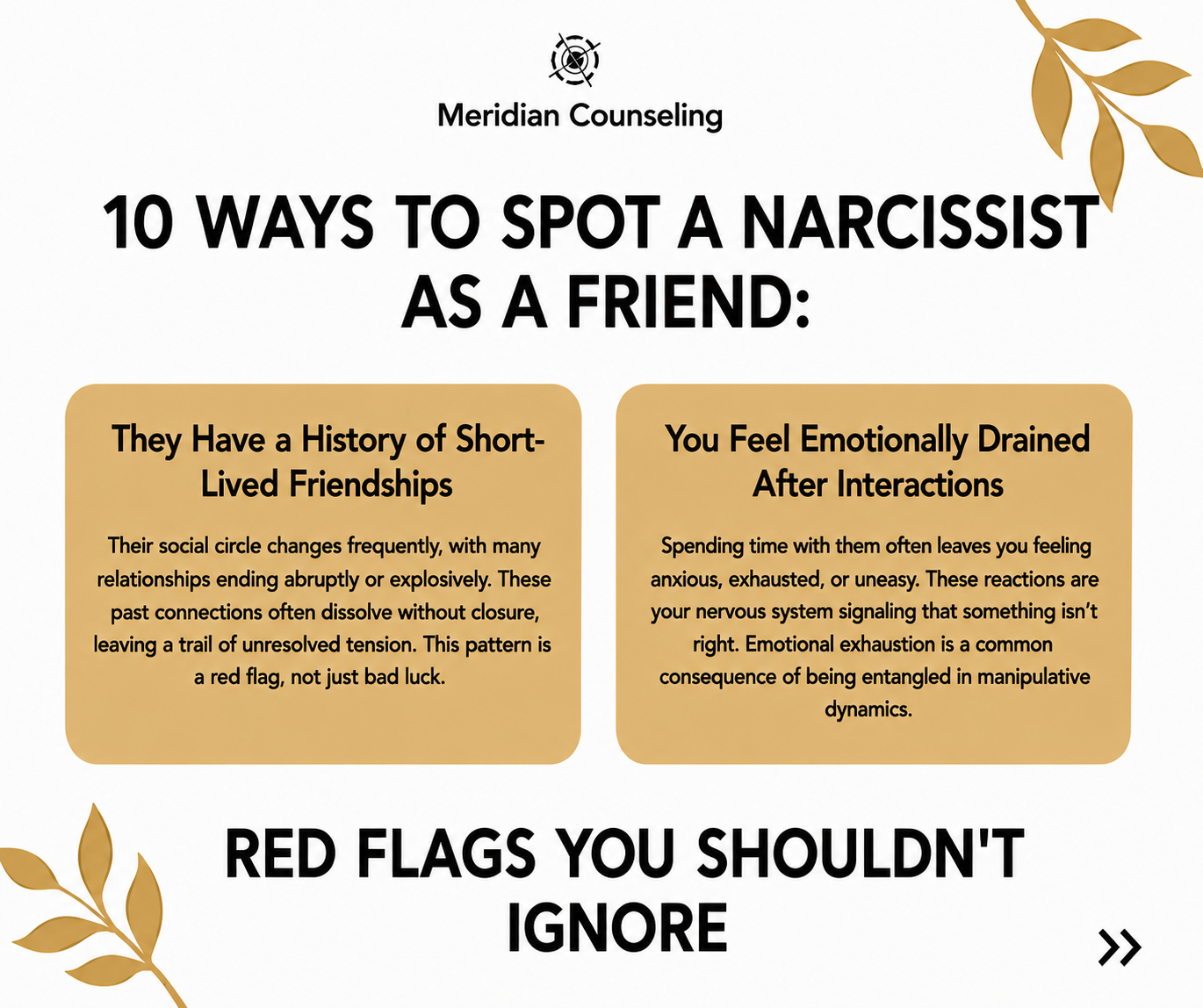
But when you need them, they are there. No conditions. No emotional invoice. They have your back, just as you have theirs. Time together is effortless, joyful. You leave nourished, never drained.
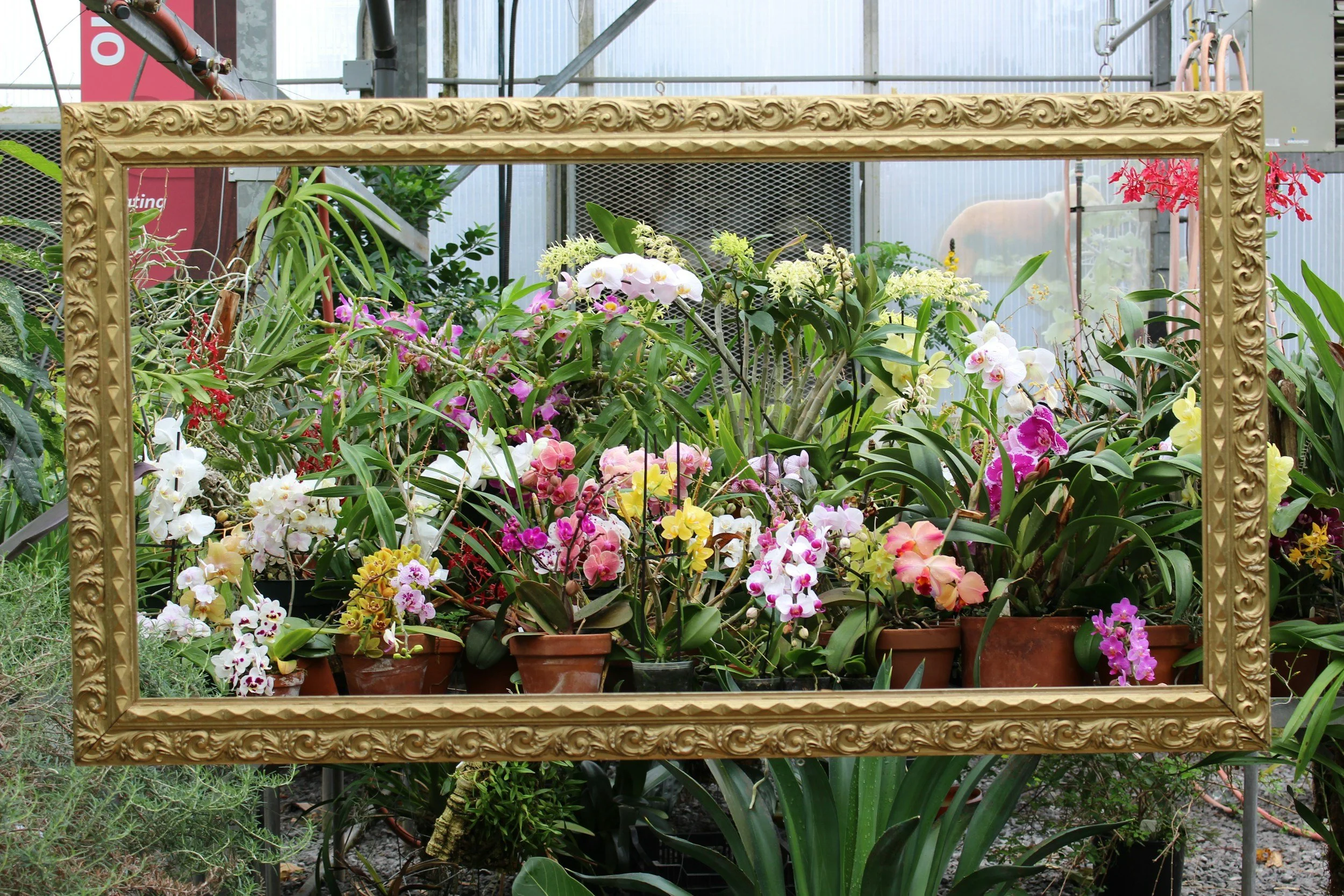
Orchid Friends are somewhat different.
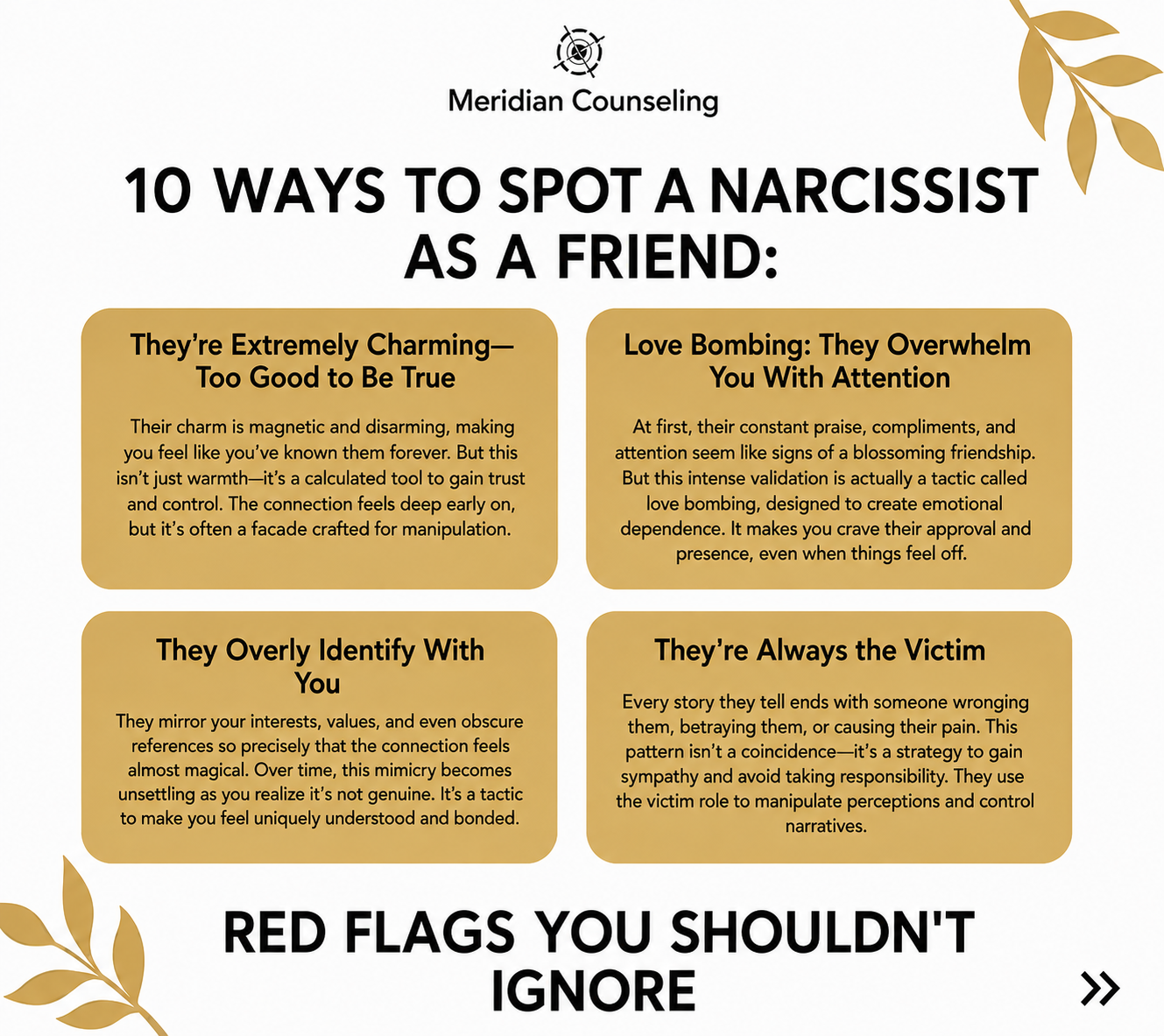
Some sweep into your life in a cloud of sweetness and intensity which feels wonderfully flattering and fun to begin with - until, almost without noticing, you realise how closely your worlds have become intertwined, leaving little space for anything - or anyone else.
As time goes by, a certain amount of drama can become part of the mix. Highly watchable from the sofa, perhaps, but considerably less entertaining when you find yourself drawn into the middle of it. It does, however, explain why their friendships have a surprisingly high turnover.
But you do what comes naturally: you listen to their stories of woe, you support, you reassure, you show up.

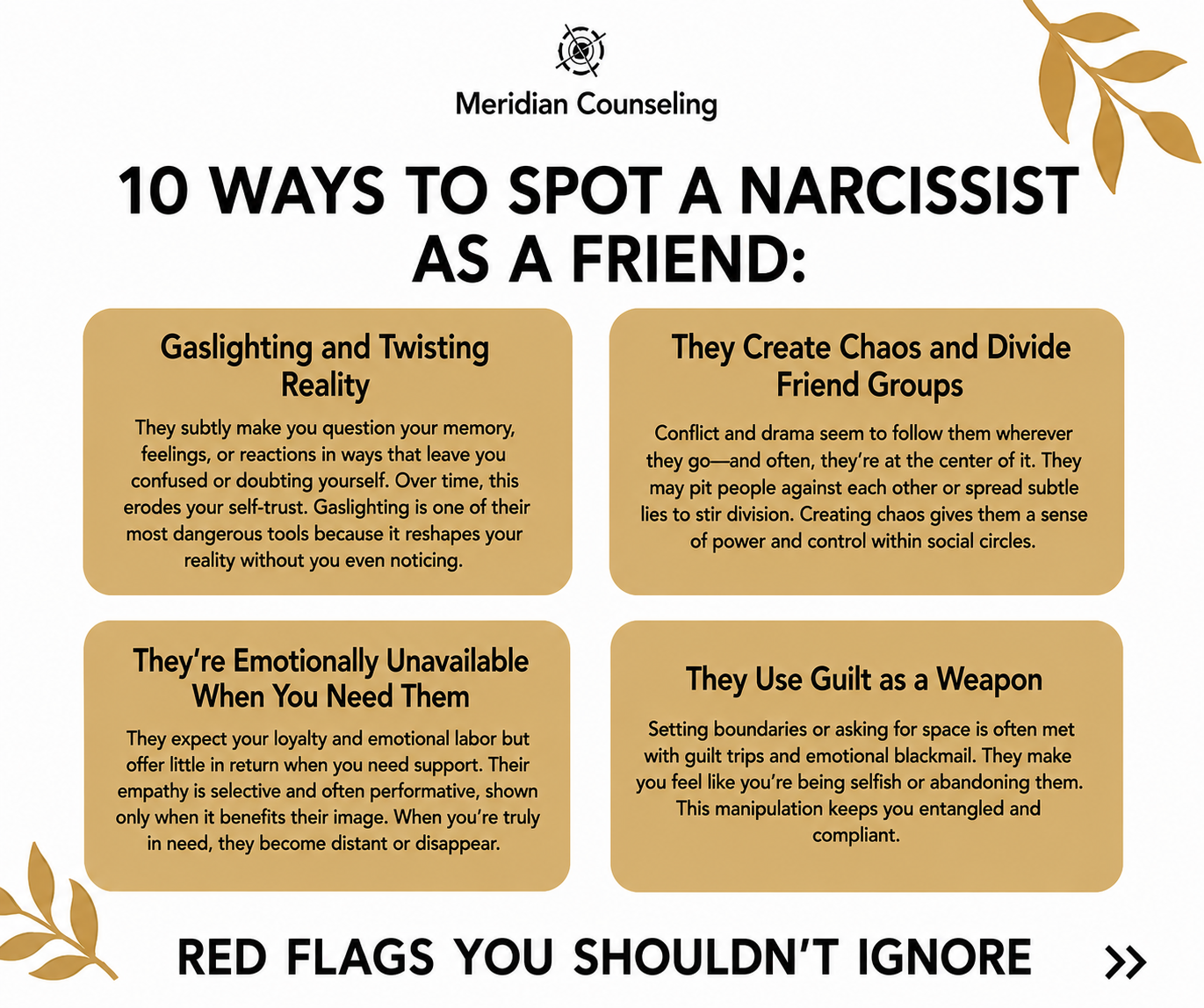
Then, over time, something shifts. Worrying patterns emerge. Certain behaviours unsettle. Actions disappoint. So, you raise this.
And suddenly the atmosphere changes.
Because once a highly defensive individual realises they’ve slipped up, they typically trigger a severe survival defence mechanism designed to protect their image, at all costs.
Instead of taking a moment for self-reflection, they immediately seek to marginalise any concerns - usually with distorted versions of events in which they seek to portray themselves as a victim, to elicit sympathy from others, avoid any accountability and protect their ego from deep shame.
A new story of woe, so to speak.
And they can be extremely convincing. An Oscar-worthy tear wiped away here. A sad shrug of the shoulders there. That is why kind-hearted, intelligent folk can easily be taken in.

There is actually a name for this psychological tactic: DARVO - Deny, Attack, Reverse Victim and Offender. It can sometimes appear alongside covert narcissistic traits and other unhealthy relationship patterns.
Recognising what is happening can feel like somebody suddenly switching the lights on. When their mask slips, you may feel shocked, hurt and, strangely, validated all at once. But with time can come something else too: relief. A welcome sense of calm starts to return.
Whatever lies behind their behaviour - insecurity, a need for external validation, fear of rejection, or something more troubling - it can actually be rather sad to witness. Cactus people tend to observe such proceedings with a mixture of compassion, mild bewilderment and the sort of quiet anthropological curiosity normally reserved for David Attenborough documentaries.

But in the end, wishing them well, you make a gentle, dignified exit and find your way back to the easy, restorative joy of your trusted tribe of Cactus Friends, who welcome you with open arms.
And more often than not, wine. 🍷
Key takeaway
Long-lasting, low-stress, nurturing friendships are one of life's great contributors to happiness, health and wellbeing.
So tend your friendship garden with kindness - but also with awareness.
Avoid the Orchids. Beware the Social Cuckoos. Cherish the Cacti.
Some friendships grow alongside us for decades, while others arrive only for a season. And that's perfectly okay. Letting relationships ebb, shift or loosen isn't failure.
It's simply part of life. 🌿🌿🌿