🌵 Cactus or Orchid? 🌸
Friendships are like plants - the secret is knowing which ones belong in your garden

I celebrated a big birthday recently (21 again, obviously), and as I looked out at a room packed with friends I’ve known and loved for decades, I felt ridiculously lucky.
Many had flown over to Spain for less than 48 hours just to be there. Which is friendship. Or madness. Possibly both. And as I took in their wonderfully familiar, smiling, slightly sunburnt faces, I realised something important…
They all had one thing in common.
They were Cactus Friends. 🌵
Now, before you picture a room full of spiky individuals refusing hugs and barking, “Hands off! That jug of sangria is mine,” allow me to explain.
After years of being mildly obsessed with all things gardening, I’ve observed that friends often fall into two groups: Orchids and Cacti. Very different beasts indeed.
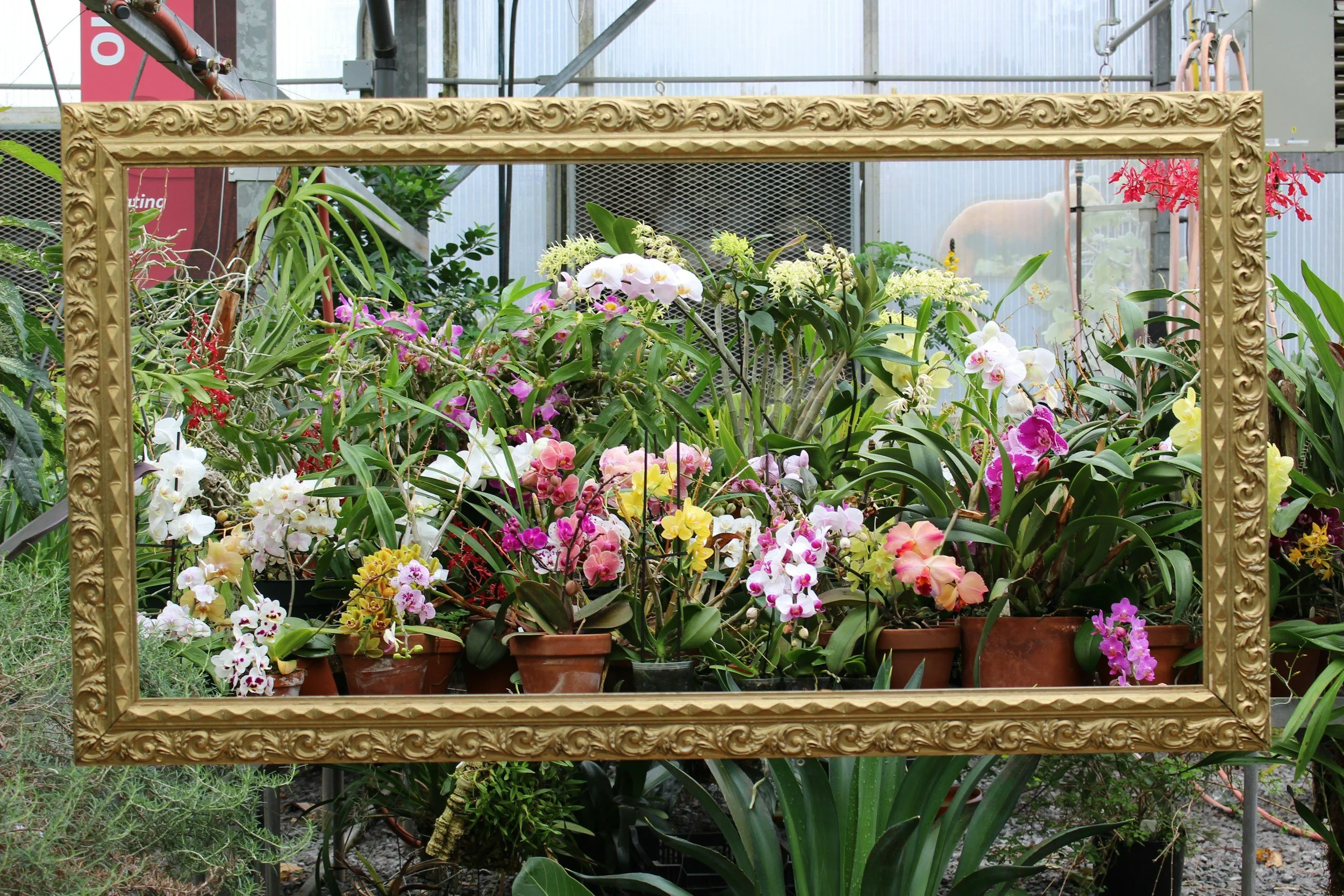
On the horticultural front, Orchid Plants are stunning. Beautiful. Glamorous. Entirely Instagram-ready. But they can be a little dramatic. They require attention, precise conditions and quite possibly a carefully curated, ever-changing Spotify playlist. Miss one instruction and they collapse in a heap, petals strewn everywhere.
I once moved an Orchid Plant two inches to the left. It died immediately. Just to prove a point.
Cactus Plants, on the other hand, are the strong, silent types. Give them the occasional splash of water, and they simply get on with things.

Sturdy. Steady. Gloriously low maintenance.
Much like Cactus Friends.
Independent souls who shine without needing to dazzle. They don’t compete. They don’t play games. They don’t suffocate. There isn’t an insecure friendship bone in their bodies.
Disappear for a while and reappear with, “Sorry, I’ve been swamped,” and they’ll simply say, “No worries. Wine?”
But when you really need them, they are there. No questions. No conditions. No emotional invoice. And crucially, they always have your back, just as you have theirs.
Because, deep down, your compass points in much the same direction. You may not agree on everything - and frankly, how dull would that be - but on the big, important things that really matter in this world, you are quietly, reassuringly aligned. And that makes all the difference.
When Cactus Friends come together, they bloom effortlessly. You always leave feeling nourished, never drained.
Orchid Friends, on the other hand, often sweep into your life in a cloud of intensity which can feel wonderfully flattering - until you realise, almost without noticing, how closely your worlds have become intertwined, leaving little space for anything or anyone else.
As time goes by, a certain level of drama can also become part of the mix - highly watchable from the sofa, perhaps, but a little less comfortable when you find yourself in the middle of it. Which may explain why their friendship circles tend to change rather frequently.
Like their botanical namesakes, they require quite a bit of attention and being the kind, big-hearted soul you are, you do what comes naturally: you listen to their stories of woe, you reassure, you show up.
But over time, something begins to feel… a little off.
As you observe recurring patterns, you also start to feel rather uneasy about certain behaviours. And on the things that really matter, you realise you’re not quite on the same page.
So, you take a step back.
But the moment an Orchid Friend senses that shift - the distance, the questions raised, their emotional hold beginning to loosen - the atmosphere can change rather quickly. Rather than pausing for reflection, it can feel as though their carefully curated sense of self is under threat, and they move to steady things.

Sometimes, such deeply insecure people will use a tactic that psychologists I spoke with refer to as DARVO, which stands for Deny, Attack, Reverse Victim and Offender. While the acronym might sound less like a behavioural pattern and more like a minor Star Wars character with exceptional cheekbones, it actually describes a defence mechanism. DARVO offers a way for such individuals to try to shield themselves from criticism and avoid accountability while simultaneously aiming to present themselves constantly as the victim in a fabricated narrative of hardship, a new story of woe, so to speak.
The aim is not usually malicious, more instinctive than anything else: to try to elicit sympathy and draw others in close, and so keep their familiar, deeply rooted patterns turning.
It can be a little sad to witness, and most Cactus types observe it with a mixture of compassion, mild bewilderment, and quiet anthropological curiosity.
Eventually - and genuinely wishing them well - you make a gentle, dignified exit and find your way back to the easy, restorative joy of your Cactus Friends, who, as always, welcome you with open arms.
And more often than not, wine. 🍷
Key takeaway
Long-lasting, low-stress, nurturing friendships are one of life’s most reliable predictors of happiness, health, and a deep sense of well-being.
So my advice is simple: tend your friendship garden with kindness - but also with great awareness.
Some friendships grow alongside us for many decades, while others arrive for a season or two. And that’s perfectly okay.
Letting relationships ebb, shift, or gently loosen isn’t failure. It’s simply part of life. 🌿🌿🌿