When Anxiety Comes Calling
One sleepless night, an overactive brain, and the gentle lessons I’ve learned about calming the storm.
Anxiety is a rotten thing. I know, because it has shadowed me for much of my life.
Last night I had the worst anxiety attack I’ve experienced in years. I woke suddenly at 3:48am feeling as if I might be sick. Drenched in sweat. Stomach doing somersaults. Cramps, shaking, my whole body in full alarm mode. My brain - apparently convinced it had been upgraded to a high-powered AI supercomputer - began scanning for every possible danger under the sun and producing elaborate plans to combat them.
Fight or flight. DEFCON 1.
And once that response kicks in, there is very little you can do to stop it. It feels as if something else has taken control of your body entirely.
If any of that sounds familiar, my heart goes out to you.
Because anxiety can be utterly exhausting.
And what triggered it? An upcoming journey that had gone horribly pear-shaped, courtesy of British Airways. Coupled, I am sure, with the general background noise of the world right now - which can feel like a rather frightening place at times. Social media is humming away 24 hours a day, designed to keep our poor little amygdalas permanently on high alert.
Is it any wonder so many of us are struggling with anxiety?
For me, though, anxiety has deeper roots.
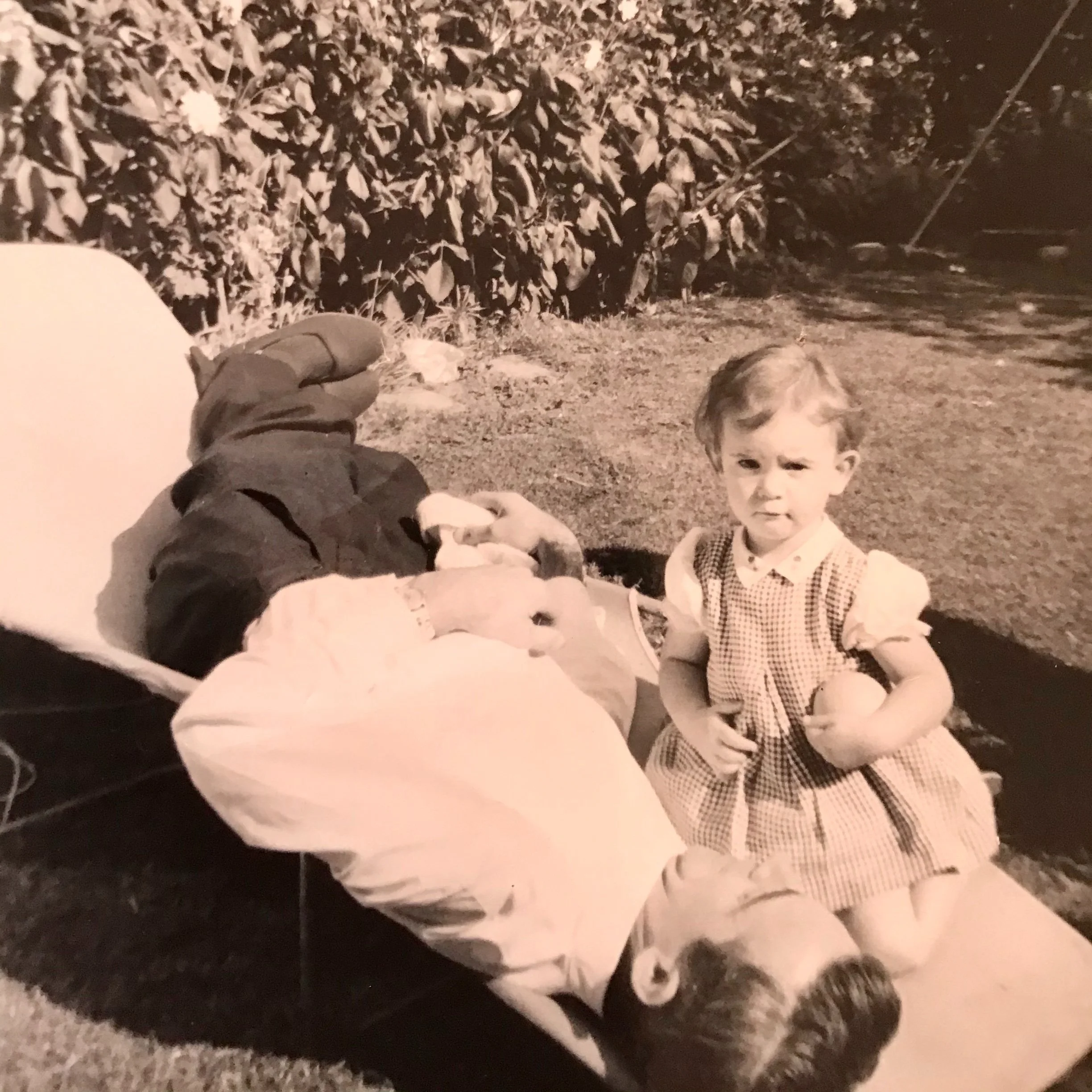
Little Old Me - A Shy, Frightened Child
Where my anxiety began
As a child I was shy and rather nervous by nature. I was just beginning to come out of my shell when my father died suddenly when I was eleven, at home where I witnessed the whole, hideously horrifying thing. And in that moment, my world changed forever.
But back then, we didn’t talk about feelings. We certainly didn’t talk about grief. The national approach seemed to be: stiff upper lip, keep going, onwards and upwards.
So that is exactly what I did.
But losing the one person who had been a rock to that shy, nervous little girl meant that, at the grand old age of eleven, I quietly took on the responsibility of making myself feel safe.
Even writing that sentence now sounds absurd. What eleven-year-old child should ever feel responsible for her own safety?
But that was the coping strategy my young mind created. The only way I could survive. I pushed the fear deep down and replaced it with something else: control.
My whole life, scanning constantly for danger. Preparing for every single possible scenario. In minute detail. And becoming a determined over-achiever - working hard, excelling wherever possible, always trying to stay one step ahead of whatever life might throw my way.
On the surface, it looked impressive.
But over time, that constant pressure took its toll, and in my thirties, my body eventually waved a very large white flag and succumbed to severe illness.
It turns out that spinning plates indefinitely - while your mind whirs away trying to control the universe - isn’t terribly sustainable and makes you vulnerable.
Who knew?
Because the truth was that the frightened little girl who needed comfort, reassurance, nurturing and probably a very large hug had never really gone anywhere. She had simply been buried under layers of competence and determination.
Outwardly, I appeared confident, capable, even gregarious. Inside, anxiety still quietly hummed away.
And here I am, many years later, still occasionally wrestling with it. Like so many do.
So how can we calm the storm?
Over the past decade I’ve slowly gathered a small practical toolkit for calming my nervous system when anxiety flares. None of these are miracle cures - if only - but together they can gently guide the body back towards safety.ound.
So I thought I might share a few of those with you, in case you’re struggling too.
1. Breathe like you mean it
Slow breathing is one of the quickest ways to signal to the body that danger has passed. Inhale slowly through the nose, exhale even more slowly through the mouth. And make that out breath longer than the in breath. Try counting to 4 in, then to 8 on exhale. Do this for a few minutes, and your nervous system often begins to soften.
2. Name what’s happening
Sometimes simply saying, “This is anxiety. My body thinks I’m in danger, but I’m actually safe. I am ok.” can help create a little distance from the panic.
3. Eye movements
With your head still, move your eyes laterally, left to right. Lateral eye movements (side-to-side) calm the nervous system by suppressing the amygdala - the brain’s fear centre - and so reducing anxiety. Moving eyes horizontally for 1-2 minutes promotes a relaxed state, getting you out of fight and flight quickly, as it often mimics REM sleep patterns to process stress. Here’s my favourite, simple exercise that has got me out of many an anxiety attack (Instagram) https://www.instagram.com/reel/DMf6kYBMnYL/?hl=es
3. Grab a pencil
If you suffer from anxiety, keep a pad and a few pencils/felt tips nearby. Colouring, doodling, and drawing mandalas can help your brain shift from the high-stress, logical, and verbal left hemisphere tothe calm, creative, more intuitive right hemisphere. Moving you from panic mode to a slower, more mindful rhythm.
And don’t worry about what you’re drawing. I am absolutely rubbish at art. But simply starting to colour in things, or doodling can have me yawning and moving into relaxed mode very quickly. Repetitive patterns are very calming. Think small bubbles, concentric circles, wavy lines close together, or simple flowers with 3-5 petals.
4. Tap it away
Emotional Freedom Technique EFT or Tapping is a self help tool that kind of combines acupressure and psychology to reduce anxiety by tapping on specific body meridians while focusing on your panic/anxiety. It sends calming signals to the amygdala, reducing stress hormones. Common points include the top of the head, eyebrow, side of the eye, under the eye, nose, chin, and collarbone. This is a great short video that takes you through the EFT process step by step https://www.youtube.com/watch?v=02bN4JFx10Y, and this is a link to Ashley Meyer’s (the EFT Therapist who has helped me enormously) website where you can find more information and help. https://www.thegrovepractice.com/profle/ashley-meyer/
5. Hum
This one surprised me the most. When you’re shaking head to foot, starting to hum to yourself sounds weird. But it works. It’s invaluable for calming anxiety and feelings of overwhelm as humming stimulates the Vagus Nerve, triggering the parasympathetic nervous system (relaxed mode).
Pick a song that you find relaxing, joyful, - for me, its the Happy Birthday tune or Here Comes The Sun. But it can be any tune you like. Or if you want to dive deeper, I find this Buddhist Om Mani Padme Hum chant wonderfully calming. https://www.youtube.com/watch?v=mvBLSJWk6HE&list=RDmvBLSJWk6HE&start_radio=1
6. Talk it out
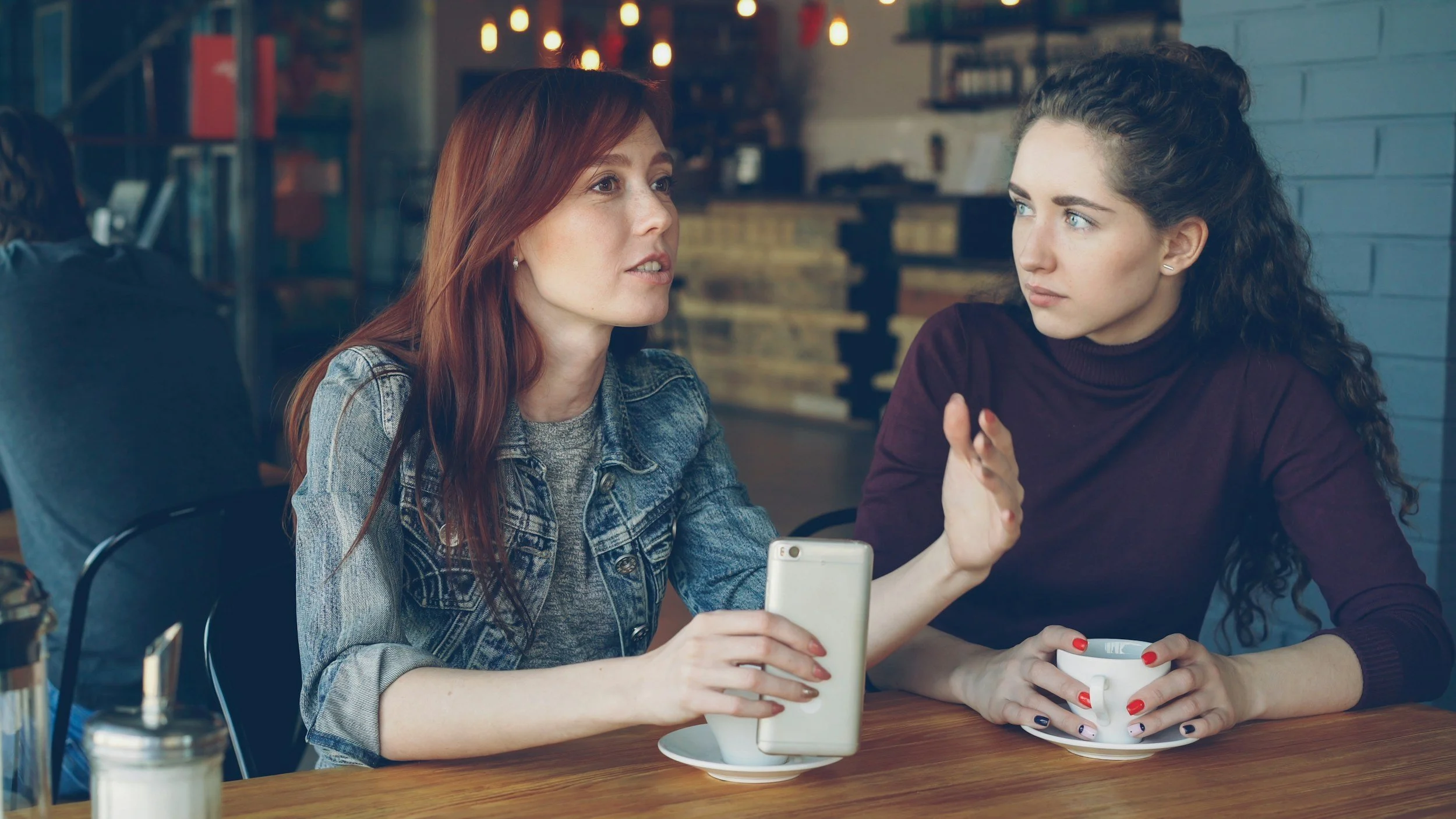
If you have someone to lean on, lean on them. It is ok to tell people you’re scared/anxious/feeling panicky. Imagine if someone you cared about was trying to cope with all this alone - you would want to comfort them, right? So, please let others help you too. And remember, a hug is wonderfully calming. And remember, if you are on your own and anxiety attacks, give yourself a long, tight hug. It does work.
7. Move the body gently
A short walk, stretching, or even shaking out your arms can help release some of the adrenaline swirling around your system. I find dancing to a favourite track is great if the anxiety is just bubbling under.
8. Step away from the news
Our brains were not designed for a 24-hour cycle of alarming headlines. Taking breaks from the news and social media can dramatically calm the nervous system.
9. Bach Remedies
Bach Flower Remedies have really helped me with my own anxiety. Just a few drops in a glass of water, sipped through the day, can calm me right down. And there are a whole range of remedies depending on what is triggering you. Rescue Remedy is my go-to for immediate, acute anxiety and panic, but the remedies below are the ones I have found really helpful. You can find more information here https://bachcentre.com/en/remedies/selecting-remedies/
Rock Rose: Used for extreme fear, terror, and paralyzing panic.
Cherry Plum: Helps with the fear of losing control or acting irrationally.
Mimulus: Addresses specific, known fears, such as anxiety about a particular situation.
White Chestnut: Helps calm a racing, worried mind.
Red Chestnut: Useful for reducing intense worry about the safety of others.
10. Be kind to yourself afterwards
This is a big one. People who suffer with anxiety are often their worst critic, berating themselves relentlessly after an anxiety attack. But here’s the thing…anxiety attacks are exhausting. And afterwards you really need to take some time out, rest, hydrate, and treat yourself with the same compassion you would offer a friend.
The truth is, anxiety may visit from time to time. But it doesn’t get to run the whole show anymore.
With patience, kindness, and a few well-practised tools, we can gently remind our nervous systems that we are safe.
And sometimes, all that frightened inner child really needs is to be listened to preferably with a cup of tea in hand and someone saying, “It’s alright. We’ve got this.”