Veggie Wars at Muck Manor
The Crop Rotation Peace Plan for a Happier Veg Patch

It’s not been a good month at Muck Manor. No siree. Who would have thought that growing your own veggies could be so stressful?
It all started with the broad beans going on strike after fattist taunts from the skinny leeks. Dissent then swiftly spread to my old English apple tree, which refused to allow French beans to grow in the same garden as it. Next up, the dwarf green curled kale ceased curling after a flurry of insults from the ‘Big Boy’ toms. Then my too-cool-for-school cucumbers demanded that they be allowed to hang out with the uber trendy ‘Stonehead’ cabbages, while the King Edward spuds were not amused to be planted near their mother’s Victoria plum tree. On top of that, my remaining vegetables then got hacked off with all the boasting by Lord Muck’s ‘Golden Ball’ turnips.
I tell you, it’s enough to drive a lady to drink. In fact, things got so bad that I had to call in a Veggie Dispute Expert. Although my hope of him sorting the dispute out quick-smart seems to have been dashed, as I’ve just spotted him pocketing a wad of notes and heading off to the Swiss chard for some banking advice.
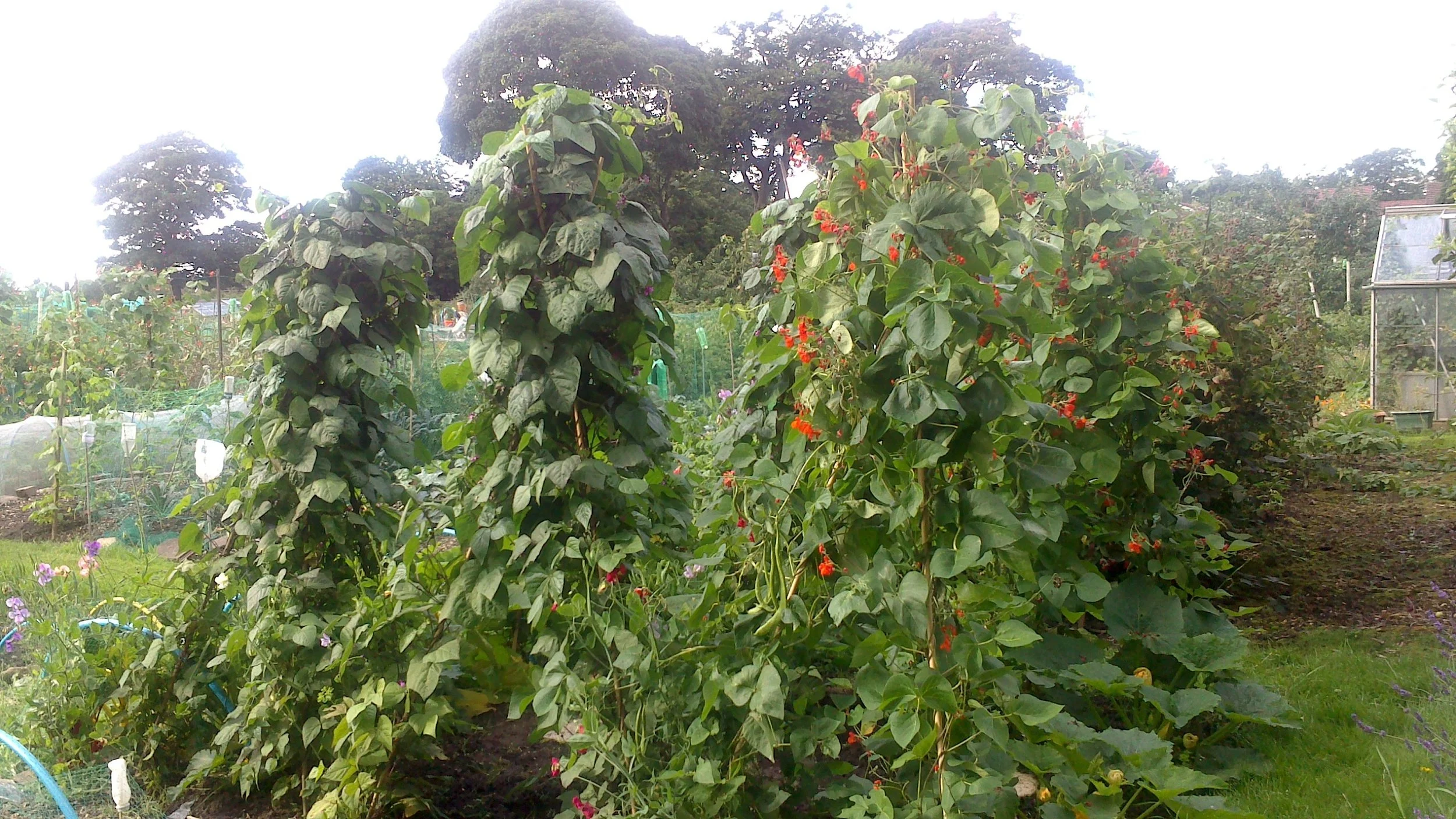
Thankfully, Lady Muck Senior has come to the rescue, assuring me that Crop Rotation is the solution - not just to warring factions, but also to keeping my plants and soil healthy year after year. The basic principle of crop rotation is simple: grow vegetables with similar needs together, then rotate them around your veggie beds and garden from year to year.
Why? Well, if you keep growing the same crops in the same spot, soil-borne pests and diseases that prey on that particular crop will build up. Also, growing the same crops repeatedly will deplete nutrient levels in the soil very quickly, as the same nutrients are being taken out each year by the crop.
Don’t worry about your fruit and herbs, though - they don’t need to be rotated, as they are classed as a permanent crop. Just remember to feed them each spring. A general, granular style fertilizer, containing phosporous, potassium and nitrogen works well, or if you can get your hands on some well-rotted manure, that’s good too. Applying granular fertilizers just before it rains is a good tip Lady Muck Senior passed on to me, as the rain helps to work in the fertilizer, down into the soil where the roots can access it more easily.
So, how do experts group veggies? They split them into four groups as follows:
Group 1: legumes (pease and beans)
Group 2: brassicas (kale, broccoli, sprouts, radishes, swede, cauliflower)
Group 3: alliums (onions, garlic, leeks)
Group 4: roots (carrots, potatoes, beetroot, parsnips)
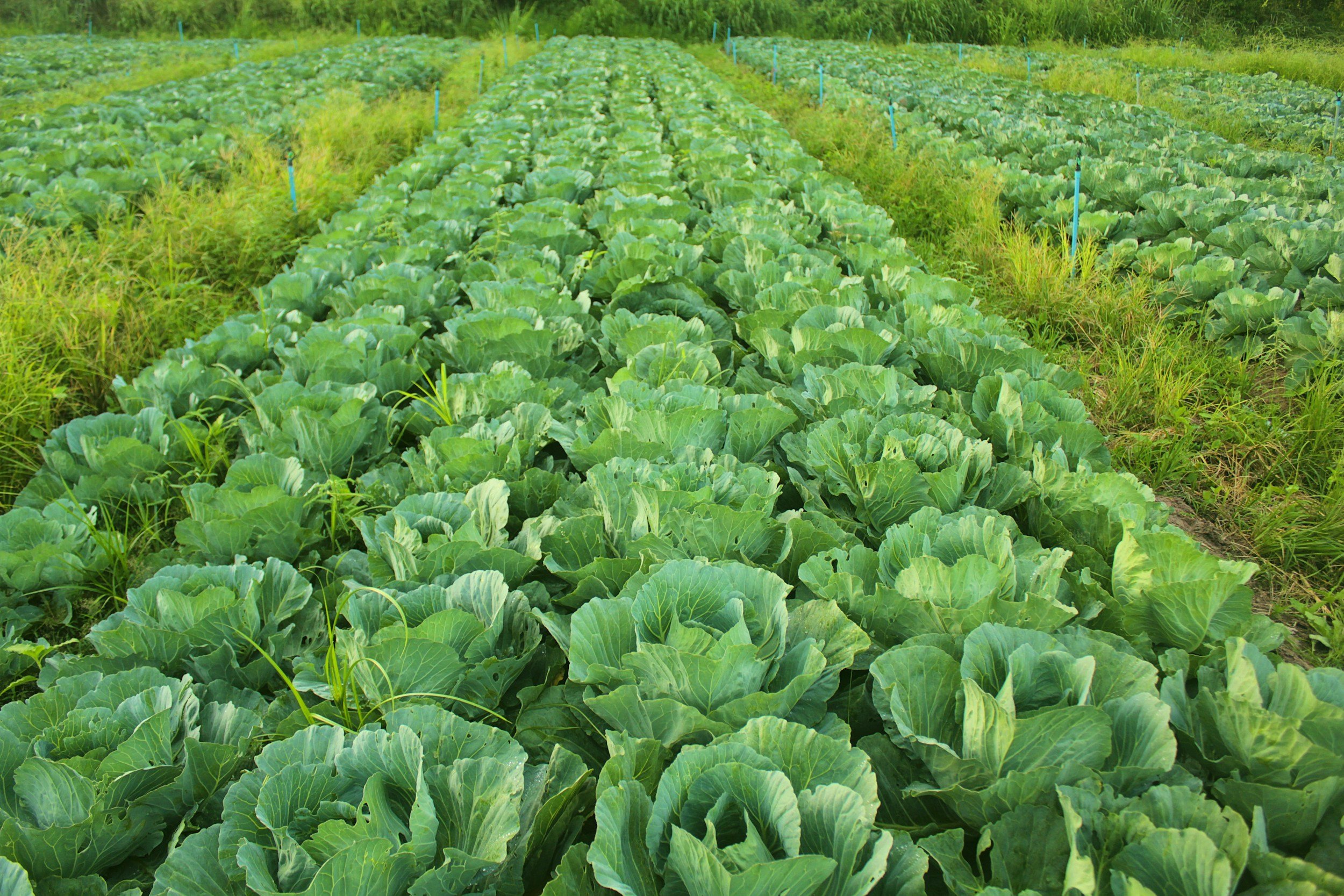
Here’s how a four-year crop rotation would look:
Area 1
Year 1 - legumes. Year 2 - brassicas. Year 3 - alliums. Year 4 - roots
Area 2
Year 1 - brassicas. Year 2 - alliums. Year 3 - roots. Year 4 - legumes.
Area 3
Year 1 - alliums. Year 2 - roots. Year 3 - legumes. Year 4 - brassicas.
Area 4
Year 1 - roots. Year 2 - legumes. Year 3 - brassicas. Year 4 - alliums.
Then in Year 5, legumes would be back in Area 1, brassicas in Area 2, alliums in Area 3 and roots in Area 4. Nifty, eh!
And as for your lettuces, courgettes, cucumbers and tomatoes - they can be generally slotted in wherever you have space, just not the same spot every year.
Right, must dash. Got to calm down my filthy rich ‘Aristocrat’ shallots, which seem rather anxious about the government’s proposed crackdown on tax avoidance….