Plants Love Liquid Lunches Too
How homemade comfrey and nettle tonics keep your crops happy and healthy
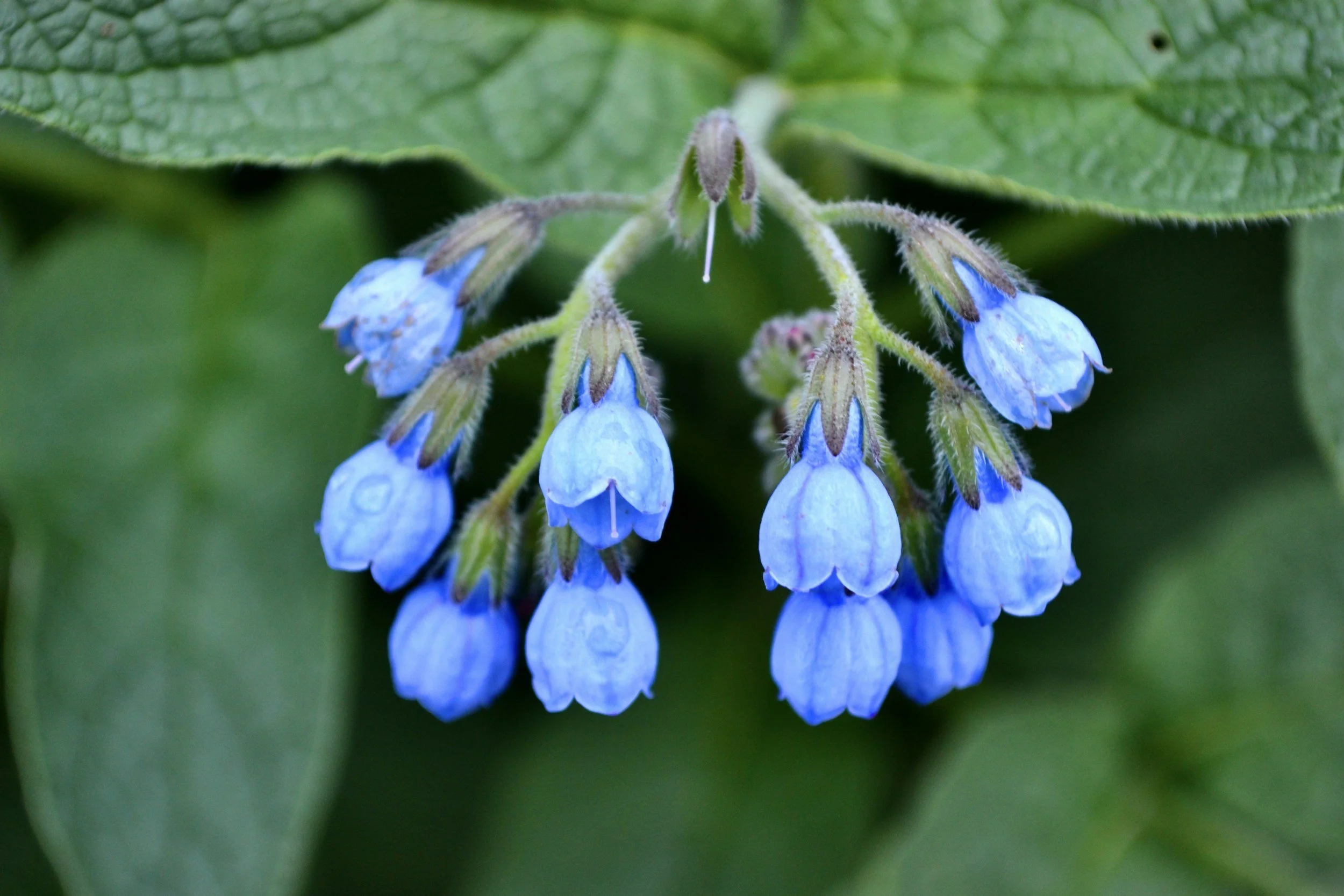
I’m a big fan of liquid lunches. Particularly on a Thursday, and preferably outside on the sunny terrace of my favourite bar. A crisp Sancerre Blanc from Domaine Vacheron is my go-to liquid lunch at the moment, nicely chilled and served with a side dish of good friends to share the moment with. Lovely.
Now, plants happen to be pretty big fans of liquid lunches, too. Although I admit I havent yet come across a plant that loves white wine as much as we green-fingered folk often do. Perhaps that’s just as well, as I’m not sure that my next lovely liquid lunch companion, Lady Beaton-Jones is up for sharing her precious vino with my Cavolo Nero or ‘Cataline’ spinach.
But I digress. Back to those thirsty plants - who, with the summer we’ve had, are pretty damned thirsty. As my lack of bingo wings will attest. All that watering-can-carrying has had an upside after all. Result.
Don’t get me wrong. First and foremost, fruit and vegetable plants need a good nutritious soil. Building it up by adding manure, rich compost and organic fertilisers is absolutely key to growing healthier, stronger produce. Many crops do, however, like a liquid ‘tonic’ or ‘tea’ every two or three weeks through the growing season to give them a quick burst of nutrients.
You can pick up liquid tonics at any garden centre. All you have to do is dilute them into a watering can, following the instructions on the bottle, and apply via a watering can or sprayer. But you can make a liquid tonic yourself, using a couple of miracle plants, which I grow on my allotment: comfrey (Symphytum officinale) and the common nettle (Urtica Dioica).

Comfrey and nettles are incredibly fast-growing. They are also very deep-rooted. This allows them to reach far down into the subsoil to draw up nutrients such as nitrogen and potassium, which help plants flourish. Nitrogen is a hard-hitting fertiliser in your garden: it’s a building block for stem and leaf growth, and it’s a major part of chlorophyll, which is what makes leaves green and helps plants to photosynthesise. Potassium, on the other hand, helps to keep roots healthy and encourages plants to produce flowers and fruits. As a bonus, potassium also helps plants to cope with stressful growing conditions, such as drought.
To make your liquid tonic, steep nettle or comfrey leaves (roughly chopped up) in a bucket of water, cover and leave to stew for two to three weeks. The fermented liquid will stink to high heaven, so try not to leave it to stew near to a seating area; but once it’s diluted with water (ten parts water to one part liquid fertiliser, making it the colour of weak tea) it will work a treat on your plants, delivering a boost of nutrients. Undiluted comfrey liquid feed can also be stored for later use, storing it in jars, bottles or other containers in a cool, dark place, so that you have it to hand to help you boost plant health throughout the year.
Comfrey and nettles can be cut right down to the ground up to four times a year, so try to grow a clump of each somewhere on your plot or in your garden - or, if you are short on space, in large pots.
Crops that love potassium-rich comfrey tea include tomatoes, courgettes, peppers, cucumbers and blackcurrants, while crops that love nitrogen-rich nettle tonic include Kale, Swiss Chard, Cabbages, Spinach and Salad leaves.
Right, must dash. Got to find a new watering hole for our next liquid lunch. I handed over a bottle of my finest Comfrey Tonic to Lady BJH last time we met up, and apparently, the stench did not go down well with the other diners. Oops…